Graphics cards.
Every graphics card we can source. What each one is designed to do.
Manufacturer specifications for 12 graphics cards, with comparisons between them. What a card holds once cooling becomes the limit is the question that decides how a machine feels.
Every graphics card we hold a record for.
Verified against a published specification. The rest render, unindexed, until they are.
12 desktop.
Nearest six per part. Any pair on request below.
Find a graphics card.
12 graphics cards with a full sheet, grouped by family. A check marks a sheet verified line by line against the manufacturer.
AMD Radeon RX 6000
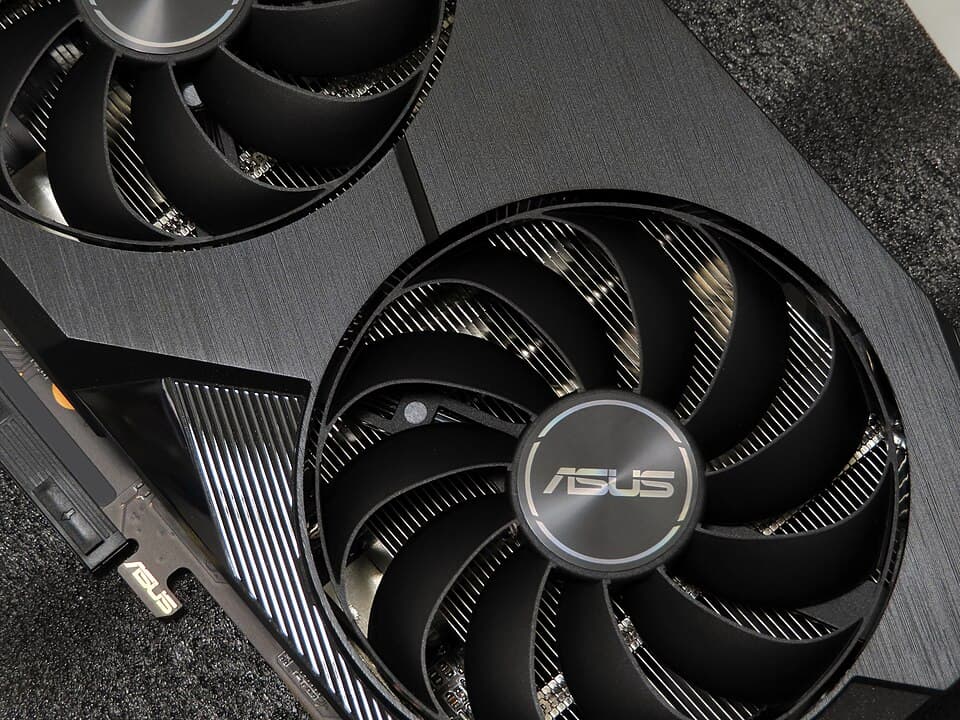
AMD Radeon RX 7000
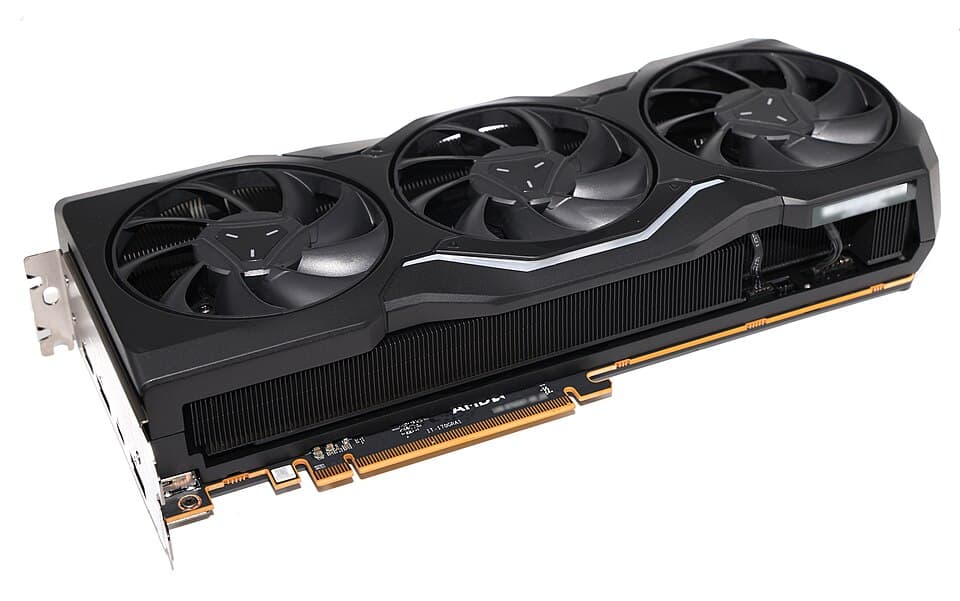
AMD Radeon RX 9000
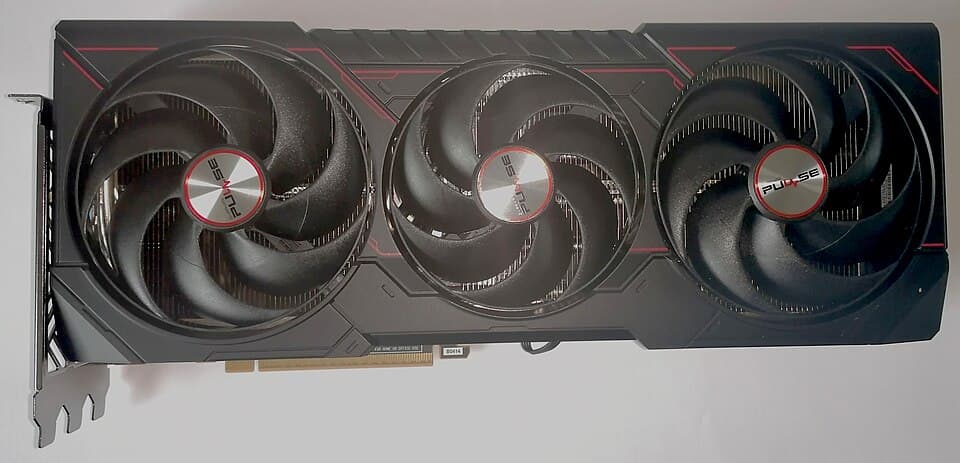
Intel Arc B-series (Battlemage)
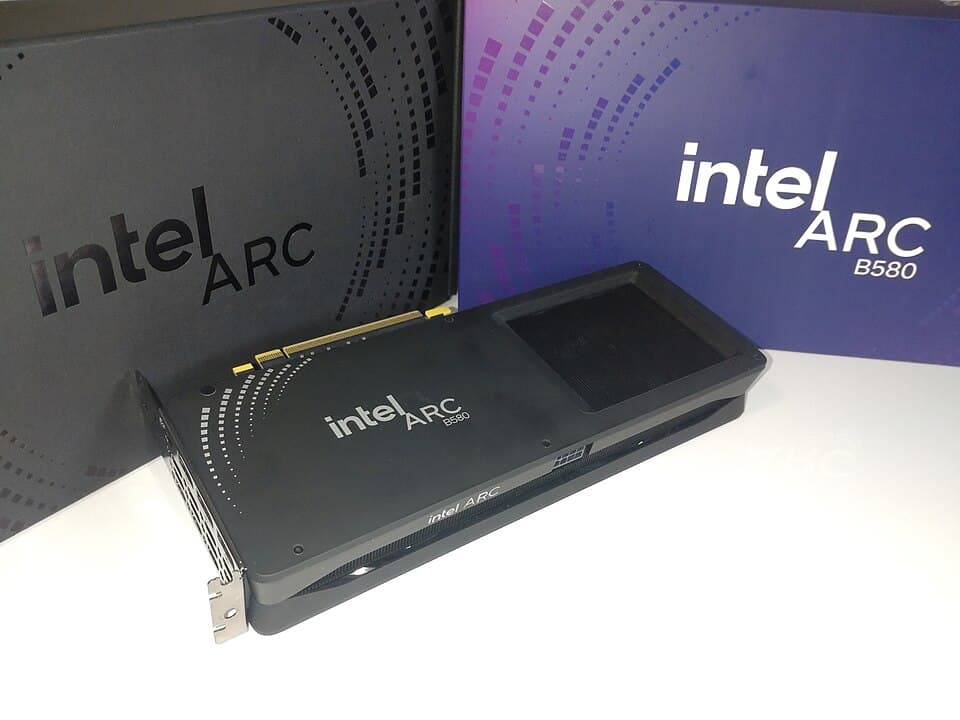
NVIDIA GeForce GTX 16
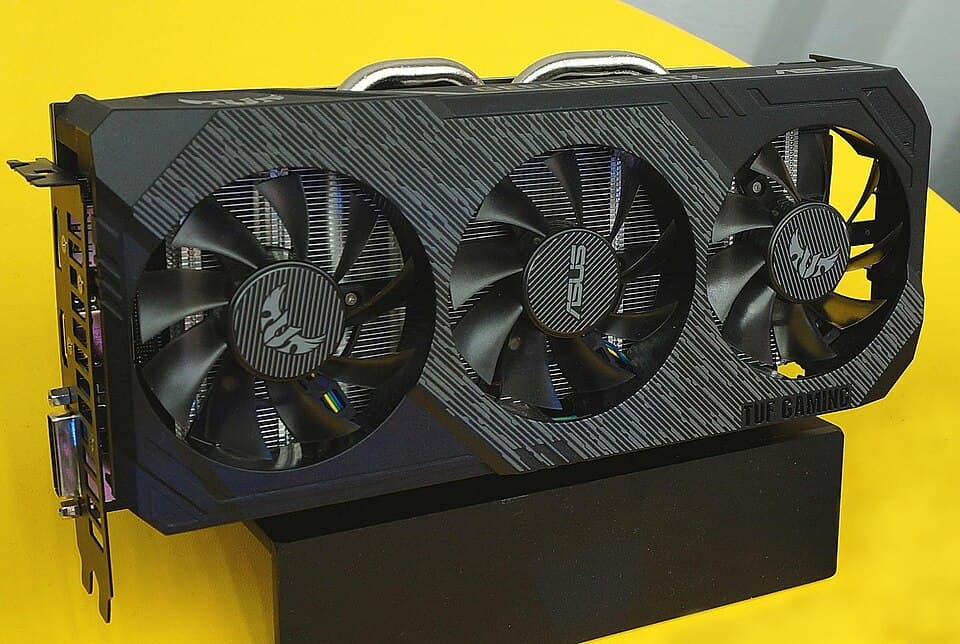
NVIDIA GeForce RTX 30
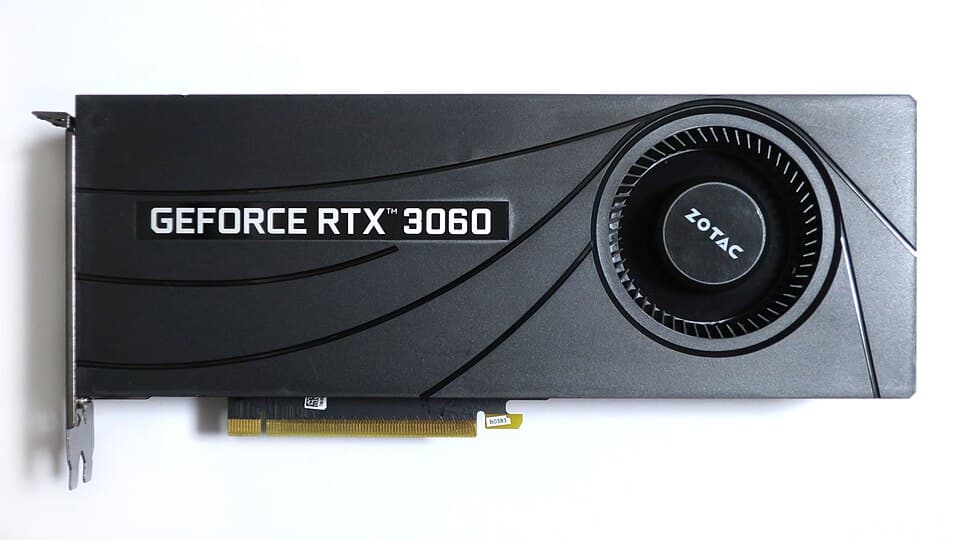
NVIDIA GeForce RTX 40
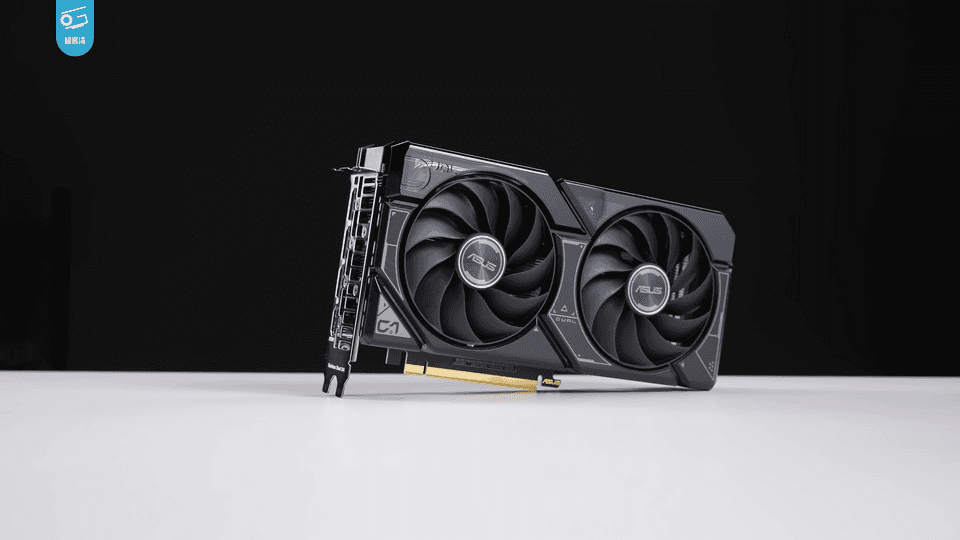
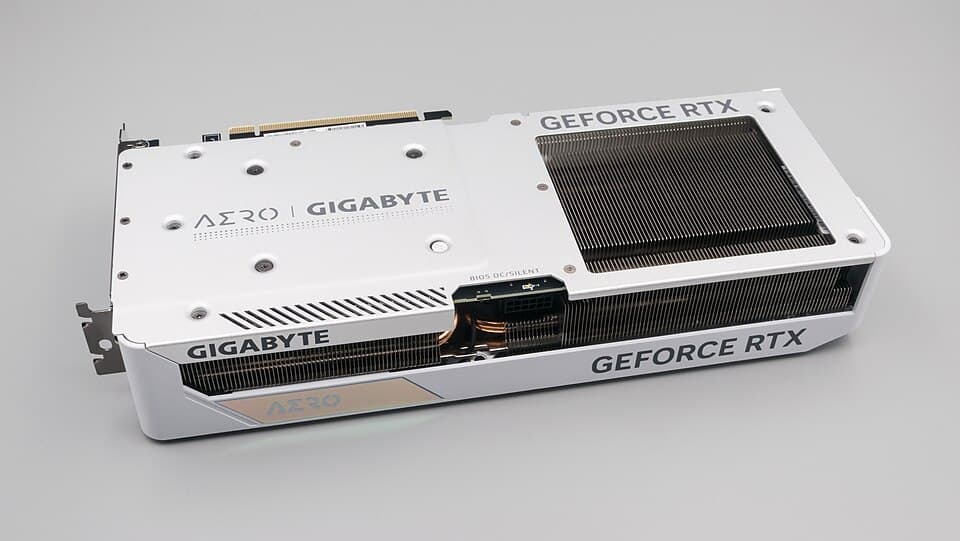
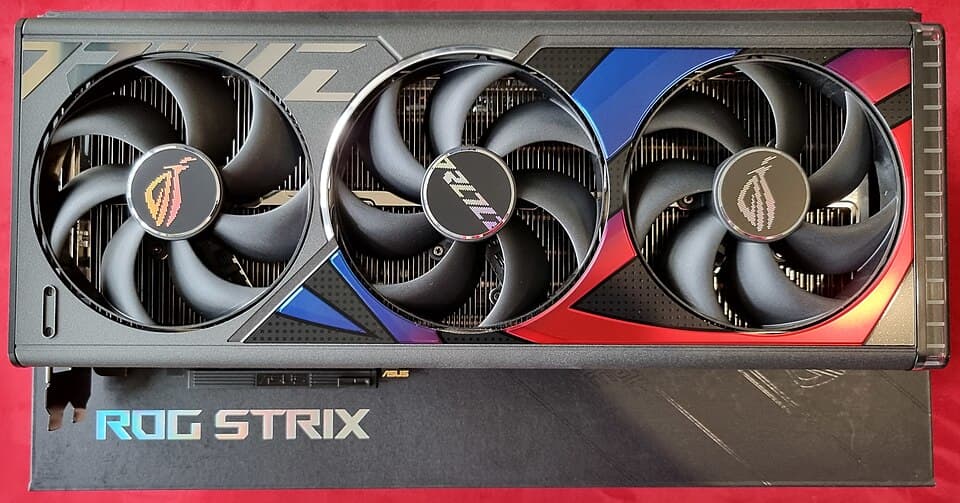
NVIDIA GeForce RTX 50
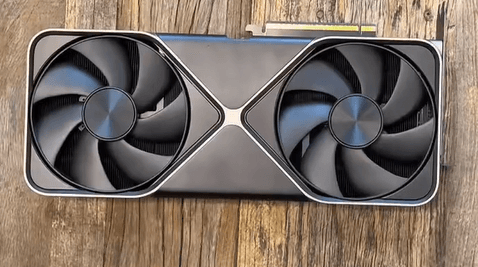
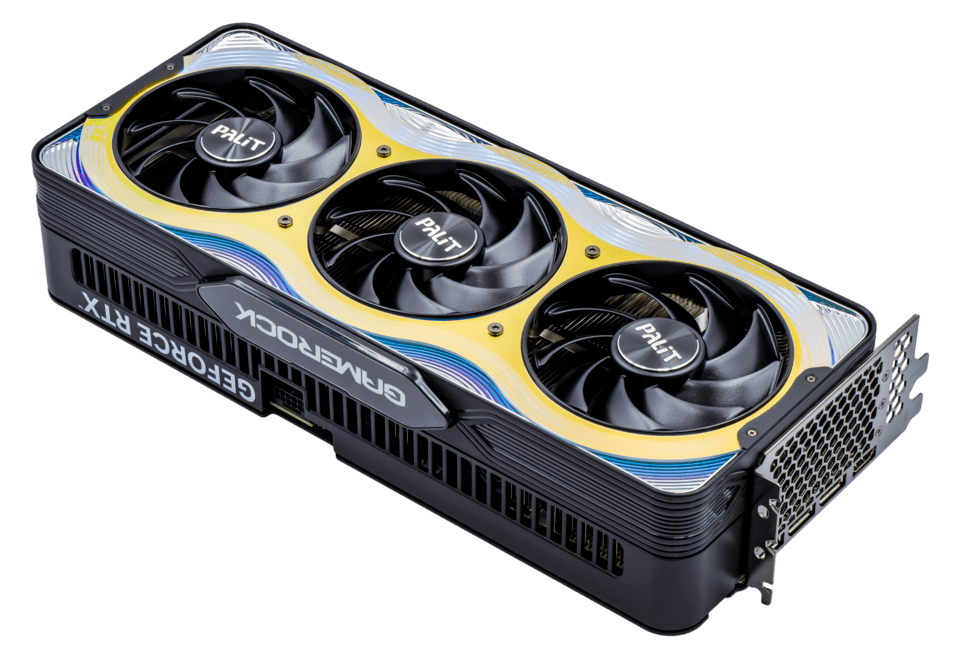
Compare
Any two. Including pairs we never published.
The published comparisons cover the pairs people search for. This covers the rest, including a laptop part against a desktop one, with a note on why that gap is wider in practice than on paper.
Choose two parts above and their specifications will appear here, side by side.
Every figure on a specification sheet is a design target. None of it is a measurement.
Nothing above describes how a graphics card behaves twenty minutes into a sustained workload, which is where two chips with nearly identical specifications routinely diverge. A boost clock is a ceiling the vendor permits, not a rate the chip sustains, and whether it holds depends on the cooling, the case, the power profile and the room. None of those appear on a specification sheet.
We deliberately do not reduce these figures to a single score. A composite invented from specifications would look authoritative and measure nothing, and choosing the weights would be choosing the winner.