Processors/Comparison
10 specifications
Intel Core i9-13900KS vs Intel Core i9-14900KS
On paper, the Intel Core i9-14900KS boosts higher. Specifications describe what each chip is designed to do; how much of that either one holds under continuous load is a separate question.
Intel Core i9-13900KS
Intel · Raptor Lake (13th gen) · Desktop
Intel Core i9-14900KS
Intel · Raptor Lake Refresh (14th gen) · Desktop
Cores and clocks
Cache and power
Platform
A check marks the higher figure only on rows where higher is unambiguously better. Rows without one are not ties; they are specifications where “better” has no meaning.
More comparisons
- Intel Core i9-13900KS vs Intel Core i9-14900K
- Intel Core i9-13900KS vs Intel Core i9-14900KF
- Intel Core i9-13900KS vs Intel Core i9-13900K
- Intel Core i9-13900KS vs Intel Core i9-14900
- Intel Core i9-13900KS vs Intel Core i9-14900F
- Intel Core i9-14900KS vs Intel Core i9-14900K
- Intel Core i9-14900KS vs Intel Core i9-14900KF
- Intel Core i9-14900KS vs Intel Core i9-13900K
- Intel Core i9-14900KS vs Intel Core i9-14900
- Intel Core i9-14900KS vs Intel Core i9-14900F
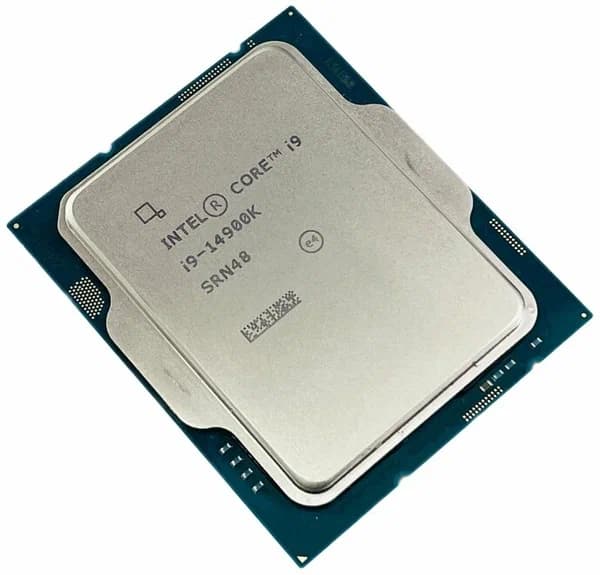
Every figure on this table is a design target. None of it is a measurement.
Nothing above describes how a processor behaves twenty minutes into a sustained workload, which is where two chips with nearly identical specifications routinely diverge. A boost clock is a ceiling the vendor permits, not a rate the chip sustains, and whether it holds depends on the cooling, the case, the power profile and the room. None of those appear on a specification sheet.
We deliberately do not reduce these figures to a single score. A composite invented from specifications would look authoritative and measure nothing, and choosing the weights would be choosing the winner.